


How to Maintain Church Pews: A Complete Guide for Long-Lasting Beauty and Comfort
Church pews are more than just seating — they are part of your sanctuary’s history, tradition, and worship experience. With proper care and regular maintenance, quality pews can serve congregations beautifully for generations. Whether your church has solid oak pews, upholstered seating, or antique sanctuary furniture, routine upkeep helps preserve both appearance and structural integrity.
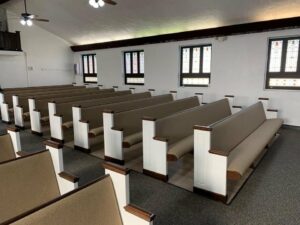
At Kivett’s Fine Church Furniture, we’ve helped churches maintain, restore, and refinish pews since 1958. Here’s our practical guide to keeping your church pews in excellent condition year after year.
Why Church Pew Maintenance Matters
Daily use, sunlight, temperature fluctuations, and normal wear can gradually affect church pews over time. Without proper care, pews may develop:
- Scratched or dull finishes
- Faded wood stain or upholstery
- Loose joints or squeaks
- Water stains or discoloration
- Worn cushions and fabric
- Cracks, chips, or warped wood
Routine maintenance not only keeps your sanctuary looking beautiful but also helps extend the lifespan of your investment. According to Kivett’s Refinishing Services, refinishing and restoration can dramatically improve both the appearance and durability of aging church furniture.
1. Dust Church Pews Regularly
Dust may seem harmless, but over time it can wear down wood finishes and upholstery fibers.
Best Practices:
- Use a soft microfiber cloth or lambswool duster weekly
- Avoid abrasive cloths or paper towels
- Dust along armrests, backs, book racks, and underneath seats
- Vacuum upholstered pews using a brush attachment
Keeping dust under control helps maintain the original finish and reduces long-term wear.
2. Use Gentle Cleaning Products
Harsh cleaners can strip protective finishes and damage wood surfaces.
Recommended Cleaning Tips:
- Use a mild wood-safe cleaner diluted with water
- Apply cleaner to a cloth — never directly onto the pew
- Wipe dry immediately after cleaning
- Avoid ammonia, bleach, or silicone-based products
For upholstered pews, spot clean spills quickly using fabric-safe cleaners approved for church seating.
3. Protect Pews from Sunlight
Direct sunlight can fade wood stains and upholstery fabrics over time.
Ways to Reduce Sun Damage:
- Install UV-filtering window film
- Use blinds or curtains during peak sunlight hours
- Rotate removable cushions periodically
- Consider sanctuary lighting placement during renovations
Sun fading is one of the most common reasons churches eventually seek refinishing services.
4. Inspect for Loose Hardware and Structural Issues
Even well-built pews experience stress from decades of use.
Regular Inspection Checklist:
- Tighten loose screws or brackets
- Check kneelers and book racks for movement
- Inspect pew ends for wobbling
- Look for cracks or splitting wood
- Listen for squeaking during use
Addressing small issues early prevents more expensive repairs later.
5. Maintain Upholstered Pew Cushions
Fabric and foam naturally wear over time, especially in high-traffic sanctuaries.
Upholstery Maintenance Tips:
- Vacuum cushions regularly
- Treat stains immediately
- Avoid excessive moisture when cleaning
- Rotate cushions if possible
- Schedule professional deep cleaning annually
Industry experts note that regular cushion care improves both comfort and longevity for worship seating.
6. Control Humidity and Temperature
Wood naturally expands and contracts with environmental changes. Excess humidity can lead to warping, while dry conditions may cause cracking.
Ideal Sanctuary Conditions:
- Maintain moderate indoor humidity year-round
- Use HVAC systems consistently
- Avoid placing pews near heating vents or exterior moisture sources
Stable environmental conditions help preserve both wood and upholstery materials.
7. Know When Refinishing Is Needed
Even with excellent care, church pews eventually require professional refinishing or restoration.
Signs It May Be Time to Refinish:
- Finish appears dull, peeling, or scratched
- Wood color has faded unevenly
- Water rings or stains remain visible
- Upholstery foam feels compressed
- Wood surfaces are rough or splintering
Professional refinishing typically includes sanding, staining, sealing, upholstery replacement, and structural repair.
Professional Restoration vs. Replacement
Many churches wonder whether to replace aging pews or restore existing seating. In many cases, refinishing offers a cost-effective way to preserve the character of a sanctuary while improving comfort and appearance.
Professional restoration may include:
- Wood repair and refinishing
- Reupholstery and foam replacement
- Color matching for expansions or additions
- Structural reinforcement
- Custom modifications
At Kivett’s Fine Church Furniture Refinishing Division, our team specializes in transporting, restoring, and reinstalling church furniture throughout the Eastern United States.
Final Thoughts
Church pews are central to the worship experience and often hold decades of memories for congregations. With regular cleaning, routine inspections, and professional refinishing when needed, your pews can continue serving your church beautifully for generations to come.
If your sanctuary seating is showing signs of wear, refinishing may be the perfect solution to restore its beauty while preserving its history.
To learn more about pew refinishing, restoration, or custom church furniture, visit Kivett’s Fine Church Furniture or contact our team for expert guidance tailored to your church’s needs.