

How Long Do Church Pews Last?
Church pews are one of the most durable pieces of furniture found in any worship space. Built with quality hardwoods, expert craftsmanship, and long-term use in mind, well-made church pews can last for generations. In many sanctuaries across the country, pews installed 50, 75, or even 100 years ago are still in use today.
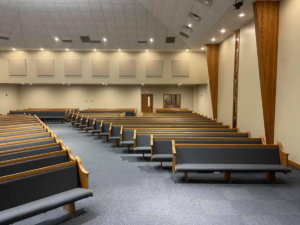
So how long do church pews actually last? The answer depends on several factors, including construction quality, maintenance, usage, and whether the pews receive periodic refinishing or restoration.
At Kivett’s Fine Church Furniture, we’ve been manufacturing, restoring, and refinishing church pews since 1958. We’ve seen firsthand how proper care can extend the life of sanctuary seating for decades.
Average Lifespan of Church Pews
High-quality church pews typically last:
- 50–100+ years with proper maintenance
- 30–50 years before major refinishing may be needed
- Several generations when regularly repaired and restored
Solid wood pews built from oak, maple, or other hardwoods tend to outlast many modern seating alternatives because they are designed for heavy weekly use. According to Kivett’s Church Pew Services, handcrafted pews using quality materials are designed to “stand the test of time” and can remain in service for generations.
What Affects the Lifespan of Church Pews?
Several important factors determine how long pews remain structurally sound and visually appealing.
1. Quality of Materials
Solid hardwood pews naturally last longer than pews made from lower-cost composite materials. Oak remains one of the most popular choices because of its strength, stability, and resistance to wear.
Many older church pews still in use today were built from durable hardwoods decades ago, which is one reason they remain restorable instead of replaceable. Community discussions around antique pew restoration frequently mention the longevity of solid oak construction.
2. Frequency of Use
A sanctuary used several times each week will naturally experience more wear than one used occasionally. High-traffic churches may notice:
- Worn finishes on armrests and seat backs
- Loose hardware or squeaks
- Compressed upholstery cushions
- Scratches and dents from regular use
Even so, quality pews are designed to withstand heavy use over long periods.
3. Maintenance and Cleaning
Routine maintenance dramatically extends pew lifespan. Regular dusting, gentle cleaning, and prompt repairs help prevent larger structural issues later.
Preventative care includes:
- Tightening loose hardware
- Repairing small cracks early
- Cleaning upholstery regularly
- Protecting wood finishes from moisture and sunlight
Professional refinishing can also restore damaged surfaces before deterioration spreads.
4. Environmental Conditions
Humidity and temperature fluctuations affect wood over time. Churches without climate control may experience:
- Wood expansion and contraction
- Cracking or splitting
- Warping
- Finish deterioration
Maintaining stable indoor conditions helps preserve both wood and upholstery materials.
Signs Your Church Pews Need Attention
Even long-lasting pews eventually show signs of wear. Some common indicators include:
- Faded or peeling finish
- Water stains or discoloration
- Wobbling pew ends
- Loose joints or squeaking
- Torn upholstery or flattened cushions
- Cracks, chips, or splintering wood
According to Kivett’s Refinishing Division, these issues are often repairable through refinishing and restoration rather than full replacement.
Can Old Church Pews Be Restored?
In many cases, yes. Structurally sound pews can often be restored to look nearly new again through professional refinishing and reupholstery.
Restoration services may include:
- Sanding and refinishing wood
- Repairing cracked or damaged sections
- Re-staining faded surfaces
- Replacing foam and upholstery
- Reinforcing structural supports
Kivett’s specializes in restoring worship seating while preserving the original character and craftsmanship of historic sanctuary furniture.
Is It Better to Restore or Replace Church Pews?
The answer depends on the condition of the pews and the goals of the church.
Restoration May Be Best If:
- The pews are structurally sound
- The church wants to preserve historic character
- Budget is a concern
- Only cosmetic updates are needed
Replacement May Be Better If:
- The pews have extensive structural damage
- Seating capacity needs have changed
- The sanctuary is undergoing a full redesign
- Accessibility upgrades are required
Many churches choose refinishing because it preserves the tradition and appearance of the sanctuary while extending the life of existing furniture.
How to Help Church Pews Last Longer
To maximize pew lifespan:
- Clean pews regularly with gentle products
- Address repairs immediately
- Maintain climate control in the sanctuary
- Schedule professional inspections periodically
- Refinish surfaces before severe wear develops
With proper care, church pews can continue serving congregations beautifully for generations.
Final Thoughts
Church pews are built to last — especially when crafted with quality hardwoods and maintained properly over time. While daily use eventually causes wear, professional refinishing and restoration can often add decades of life to existing sanctuary seating.
At Kivett’s Fine Church Furniture, we’ve spent more than 60 years helping churches preserve, restore, and install beautiful pews that stand the test of time. Whether your church needs refinishing, reupholstery, repairs, or new handcrafted seating, our team is here to help.
To learn more about church pew restoration or custom sanctuary furniture, visit Kivett’s Refinishing Services today.