



Church pews are more than furniture — they are witnesses to decades of worship, community, and faith. But even the most lovingly crafted wooden pews are not immune to the passage of time. Year after year, a combination of daily use, environmental conditions, and deferred maintenance quietly work against them.
At Kivett's Fine Church Furniture, we have spent decades restoring and refinishing church pews across the country. In that time, we have seen the same culprits show up again and again. Understanding what causes church pew damage is the first step toward protecting this irreplaceable piece of your congregation's heritage.
Everyday Use and Physical Wear
The most fundamental source of damage is simply the act of sitting in and rising from a pew hundreds or thousands of times per year. Over decades, the finish on armrests, seat edges, and pew ends wears thin from constant contact with hands, clothing, and belt buckles. Hymnals and Bibles sliding across the wooden surfaces leave hairline scratches that accumulate into dull, hazy patches in the finish.
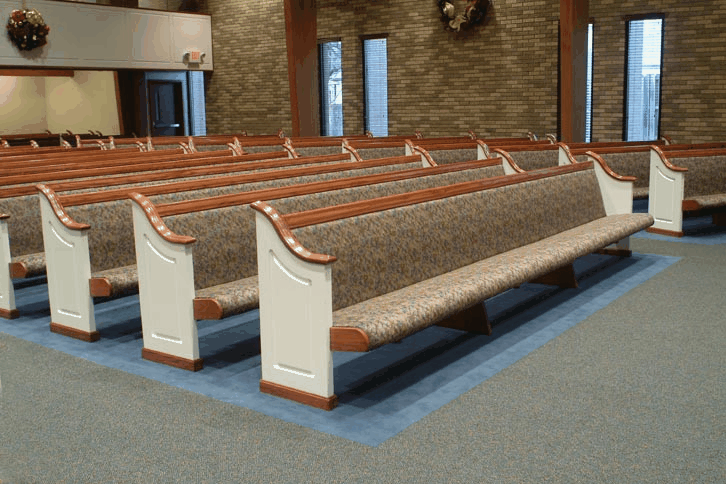
High-traffic contact points — the tops of pew backs where hands grip, the front edge of the seat, and the kneeling rail — are often the first areas to show bare wood. Once the protective finish is gone, the exposed wood absorbs oils from skin, moisture from the air, and dirt, leading to deep discoloration that a simple polish can no longer reverse.
Children's shoes scuffing the back of the pew in front of them is another remarkably common cause of finish damage that church leadership often overlooks until it has spread across an entire section.
Sunlight and UV Exposure
Beautiful stained glass and large sanctuary windows are a hallmark of church architecture — but they also funnel intense ultraviolet light directly onto pew surfaces. UV rays break down the chemical bonds in wood finish, causing it to become chalky, flaky, or yellowed. The underlying wood pigments also oxidize over time, shifting the color of oak, cherry, or walnut pews toward a washed-out, uneven tone.
Did you know? Pews nearest to south- or west-facing windows often age two to three times faster than those in shaded areas of the same sanctuary — even when both are the same age and species of wood.
The damage from UV exposure is cumulative and largely invisible until it becomes severe. By the time fading or chalking is clearly visible from the pulpit, the finish has often been compromised for years. Regular inspection of sun-exposed pews — especially pew ends, armrests, and the tops of pew backs — can catch early UV damage before it penetrates into the wood itself.
Humidity and Temperature Fluctuations
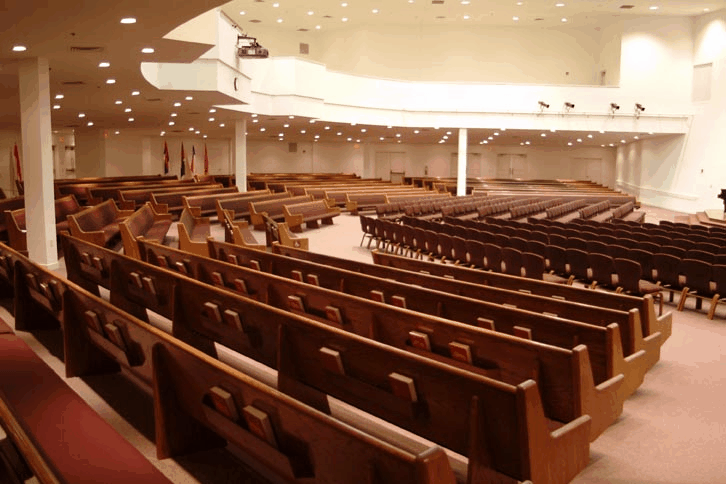
Many sanctuaries only discover hidden moisture damage when a full pew inspection is conducted.
Wood is a living material that responds to its environment. When a church is heated intensely on Sunday mornings after sitting cold and empty all week, or when humidity swings dramatically between seasons, the wood in your pews expands and contracts. Over many years, this constant movement causes joints to loosen, glue to fail, end caps to crack, and finish to develop fine networks of cracks known as "crazing."
Churches located in climates with harsh winters or very humid summers are especially vulnerable. Heating systems that blow dry air directly at pew sections can cause rapid moisture loss in the wood, accelerating splitting and checking along the grain. Conversely, basement-level or poorly ventilated sanctuaries in humid regions may see pews swell, warp, or develop mold and mildew beneath the finish.
Installing humidity monitoring and maintaining a consistent indoor climate — ideally between 35% and 55% relative humidity — is one of the most cost-effective steps a congregation can take to extend the life of their pews.
Improper Cleaning Products and Methods
This is one of the most overlooked — and most preventable — causes of church pew damage. Well-meaning volunteers and janitorial staff who apply furniture polish containing silicone, all-purpose household cleaners, bleach-based disinfectants, or excessive water can cause tremendous harm to a wood finish.
Silicone-based polishes feel great initially, but they seal contaminants into the finish and make future professional refinishing extremely difficult. Citrus or ammonia-based cleaners strip finish outright, leaving the wood vulnerable. Wet mops or damp cloths left in contact with pew surfaces introduce moisture that raises the grain and clouds the finish.
Best practice: Clean pews only with a dry or very slightly dampened microfiber cloth, and use only cleaners specifically formulated for wood furniture. When in doubt, ask your church furniture professional before introducing any new product.
Structural Damage from Fasteners and Hardware
Over the decades, churches add and remove hat racks, pen holders, door hardware, communion cup holders, and offering envelopes. Every screw hole, bracket, or staple driven into a pew becomes a potential crack-initiation site. When these items are removed, the holes left behind allow moisture to penetrate directly into the wood, often leading to rot in older pews with no remaining finish barrier.
Similarly, older pews were assembled with hardware that can rust over time. Rusting bolts and screws expand slightly as they oxidize, splitting the wood around them from the inside out — a form of damage that is completely invisible until the surrounding wood suddenly splits or the joint fails entirely.
Age and Deferred Maintenance
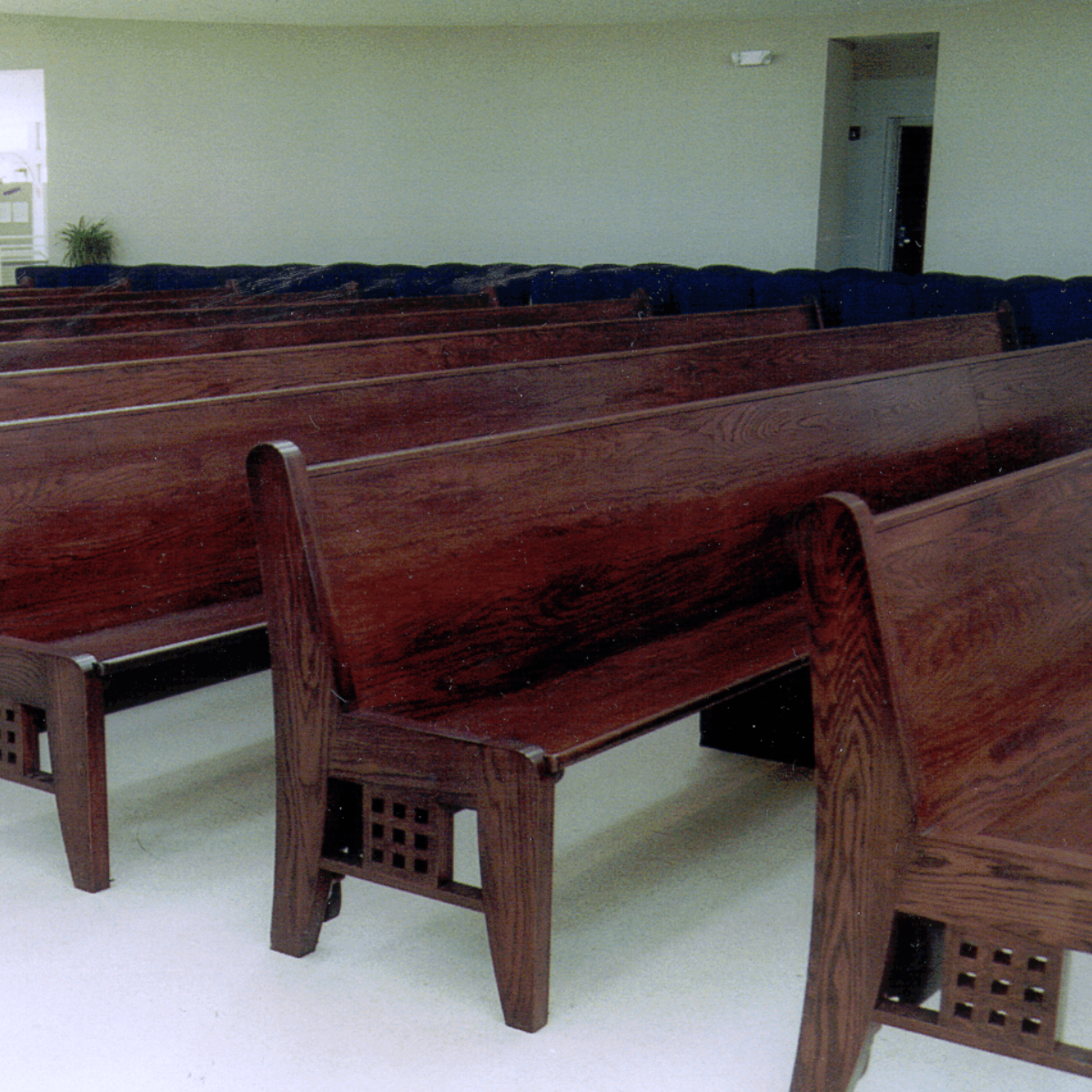
Even well-maintained pews eventually reach a point where a fresh coat of polish is no longer enough. The original finish applied during manufacture has a lifespan, and as it thins, chips, and cracks, it loses its ability to protect the wood beneath.
Churches that defer professional refinishing for budget or logistical reasons often find that the cost grows significantly with each passing year. Bare wood that has been left unprotected for months absorbs stains, oils, and moisture at a depth that requires aggressive sanding to address — rather than the light screen-and-recoat that would have been sufficient earlier.
Most church pews benefit from a professional inspection every five to ten years, with full refinishing typically needed every fifteen to thirty years depending on usage and environment.
Quick Reference: Common Causes of Church Pew Damage
- Daily wear and friction — repeated contact from hands, clothing, and books erodes finish at high-touch points.
- UV and sunlight exposure — fades finish, oxidizes wood pigments, and causes chalking or flaking near windows.
- Humidity and temperature swings — cause wood movement leading to cracks, loose joints, and finish crazing.
- Improper cleaning products — silicone polishes, ammonia cleaners, and excess moisture degrade and cloud the finish.
- Hardware and fastener damage — screw holes and rusting hardware introduce moisture and cause hidden internal splitting.
- Deferred maintenance — waiting too long between professional refinishing multiplies repair costs and complexity.
What Can Be Done? Professional Church Pew Restoration
The good news is that even severely damaged church pews can often be restored to beautiful condition — and in most cases, professional refinishing is far more affordable than replacement. At Kivett's Fine Church Furniture, our expert craftsmen evaluate each pew individually, addressing structural repairs, stain matching, and the application of a durable new finish that will protect your pews for decades to come.
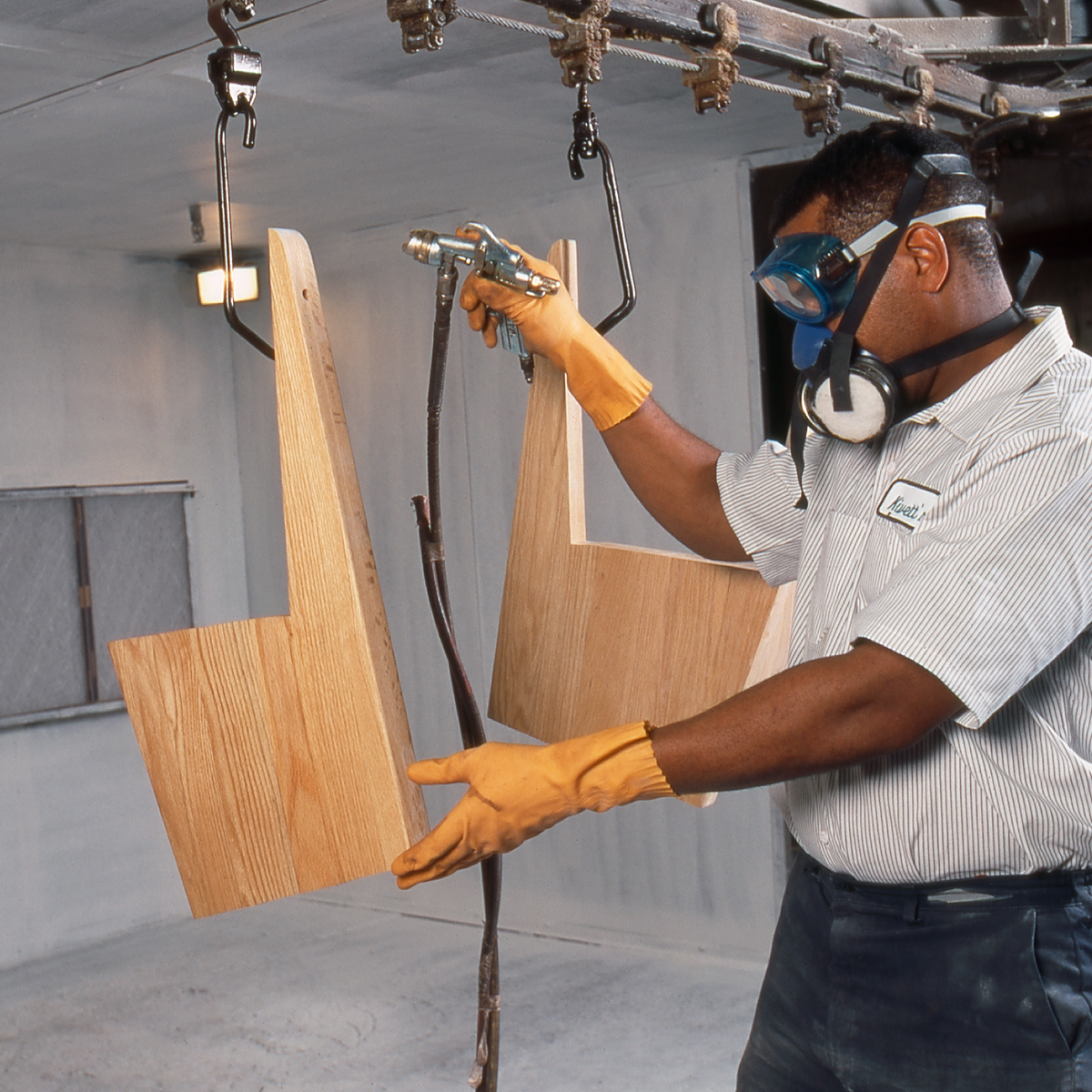
Our church pew restoration process typically includes thorough cleaning and stripping of old finish, sanding to remove surface damage, structural repairs to loose joints and cracked wood, color-matched staining, and multiple coats of professional-grade protective topcoat.
We also provide guidance on proper ongoing maintenance so your congregation can protect their investment between professional service visits. Whether your pews need light refinishing or full structural restoration, Kivett's has the experience and craftsmanship to bring them back to life.
Trusted by Congregations Nationwide
See what our clients are saying and find us on the map below.