

Pew Restoration vs. New Church Pews: How to Choose
Building committees usually arrive at this decision the same way — a sanctuary walkthrough turns up worn finish, loose joinery, or a seating shortage. Here is how to weigh restoration against new pews before you bring a recommendation to the congregation.
The Real Question Committees Are Asking
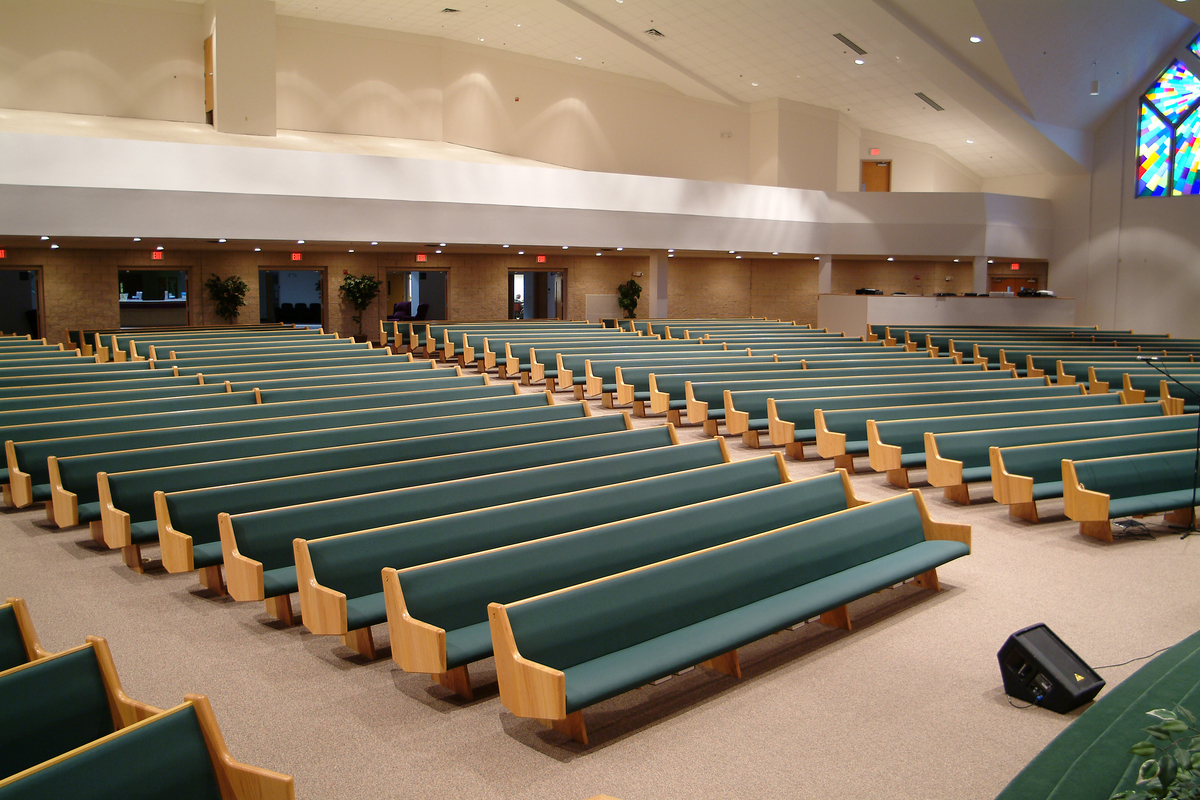
It is rarely "restore or replace" in the abstract — it is usually one of three specific situations: the finish has worn thin after decades of use, a handful of pews have structural damage the rest don't, or the congregation has outgrown its current seating. Each situation points toward a different answer.
Kivett's has been restoring and manufacturing church pews entirely in-house since 1958, as a second-generation family-owned operation. That means the same team that evaluates your sanctuary is the team that does the work, whether that work is refinishing what you have or building new pieces to match it.
When Restoration Makes Sense
Good Signs for Restoration
- The wood frame and joinery are structurally sound
- Damage is cosmetic — worn finish, scratches, faded stain
- The congregation values preserving the original pews' history
- Budget favors labor and finish over new materials
What Restoration Involves
- Stripping old finish down to bare wood
- Repairing loose joints and minor structural issues
- Refinishing in your choice of stain
- Reupholstering seats and kneelers if needed
Most solid oak pews built decades ago were made to last, and the wood itself often outlives several finishes. If your committee's main complaint is how the pews look rather than how they hold up, restoration is usually the more efficient path.
When New Pews Make Sense
Good Signs for New Pews
- Rot, insect damage, or broken joinery beyond repair
- The sanctuary is expanding and needs more seating
- A full redesign or layout change is planned
- No existing pews to work from at all (new construction)
The Matching Advantage
- New pieces built to match your existing style and wood species
- Historic aesthetic preserved even as seating expands
- Consistent fabric and stain across old and new rows
- One manufacturer accountable for the whole sanctuary's look
Expansion is the scenario committees underestimate most. If your sanctuary needs additional rows but the existing pews are still in good shape, you don't have to choose between "restore everything" and "replace everything." Kivett's can manufacture new matching pieces so the addition blends in rather than standing out.
Cost: Restoration vs. New
Published industry figures give a useful starting point, though your exact number depends on your sanctuary's condition and scope:
| Approach | Typical Industry Range | What Drives the Price |
|---|---|---|
| Light refinishing | Lower end per linear foot | Cosmetic wear only, sound joinery |
| Full restoration | Mid-range per linear foot | Stripping, repairs, refinish, reupholstery |
| New pews | Highest per linear foot | Wood species, joinery, custom fabric and stain |
What Kivett's Brings to Either Path
Whichever direction your committee lands on, the work stays in-house from start to finish — sales, manufacturing, delivery, and installation, all handled by the same company. As the largest family-owned pew manufacturer and pew refinisher in the United States, with the largest refinishing division on the East Coast, we run both restoration and new manufacturing out of the same Clinton, NC facility, using specially designed trucks for careful removal and reinstallation. Every project is insured and guaranteed.
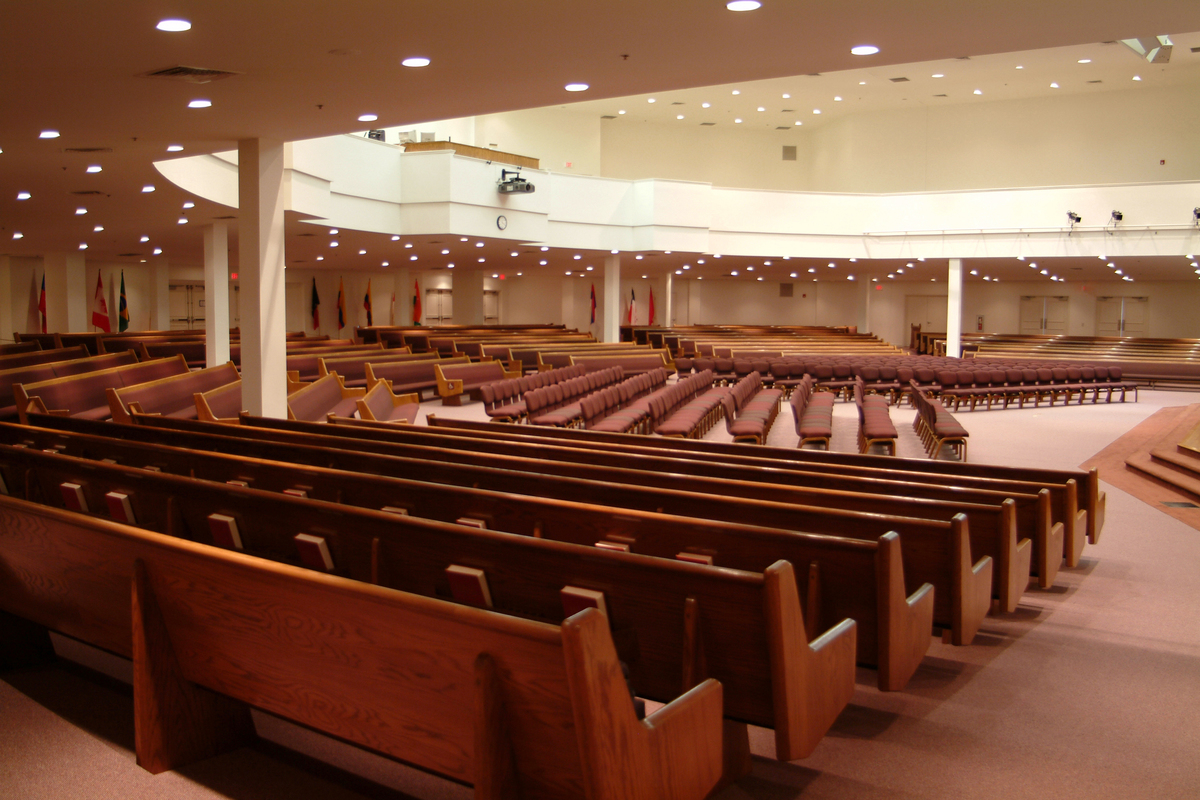
See real examples of both restoration and new pew work in our Pew Gallery, or review fabric and stain choices on the Fabric & Stains page.
FAQ
Is it cheaper to restore church pews or buy new ones?
Restoration is almost always the more affordable route per linear foot, since you are paying for labor and finish rather than raw materials and construction. New pews only pull ahead in value when the existing pews are structurally damaged beyond repair or the sanctuary is being expanded.
Can Kivett's match new pews to our existing historic pews?
Yes. When a sanctuary needs additional seating but the existing pews are still sound, we manufacture new matching pieces in-house so the added rows blend with the historic aesthetic instead of looking like a mismatched addition.
How do we know if our pews can be restored instead of replaced?
A free on-site consultation is the fastest way to know. Our team inspects the wood for structural soundness, checks for rot or insect damage, and evaluates the joinery before recommending restoration or replacement.
Does restoring pews disrupt Sunday services?
Most refinishing work happens at our Clinton, NC facility, not in your sanctuary, so services can continue on their normal schedule while your pews are away for restoration. We coordinate removal and reinstallation timing around your calendar.
What if only some of our pews need work?
That is common. We can restore a subset of pews to match the rest of the sanctuary, or manufacture new pieces to match if a full match isn't achievable from restoration alone. Your consultation covers exactly what a mixed approach would look like.
Related Reading
See What Happens During a Kivett's Pew Restoration Project for a full process walkthrough, or 5 Signs Your Church Pews Need Refinishing Instead of Replacement to help diagnose your sanctuary's pews. Review our Church Pews and Refinishing service pages for more detail.
Get a Real Number for Your Sanctuary
Clinton, NC · Serving churches nationwide since 1958